Online Seerah Course

The Islamic History (Seerah & Beyond) course takes students on a comprehensive chronological journey through the key events in Islamic history, starting with the life of the Prophet Muhammad (PBUH) and continuing through the significant eras of the Rightly Guided Caliphs, the Golden Age of Islam, and up to modern-day challenges faced by the Muslim world.

This course not only highlights the life of the Prophet Muhammad (PBUH) and the rise of the Islamic state but also explores the profound contributions of Muslims to various fields, such as science, medicine, and philosophy, during the Golden Age. Students will also examine the evolution of Muslim leadership, the expansion of the Islamic empire, and the current state of the Muslim world today.

Book Your Free 3-Day Trial Class Chat on WhatsApp

What You Will Learn

  • A deep understanding of the life of Prophet Muhammad (PBUH) through the Seerah

  • The leadership and expansion under the Rightly Guided Caliphs (Khulafa-e-Rashideen)

  • The significant contributions of Muslims during the Golden Age to various academic fields

  • Insights into the socio-political challenges and developments in modern Muslim history

  • How Islamic history shapes the current state of the Muslim world

  • Lessons from the past that can guide current and future Muslim leaders

Module 1: The Seerah: A Chronological Journey through the Life of the Prophet Muhammad (ﷺ)

This module explores the life of Prophet Muhammad (PBUH), from his early years in Makkah to his migration to Madinah and the establishment of the first Islamic state.

Topics include:

  • The early life of Prophet Muhammad (PBUH) and his family
  • The first revelation and the early days of Islam in Makkah
  • The challenges faced by Prophet Muhammad (PBUH) and his followers
  • The Hijrah (migration) to Madinah and the establishment of the Islamic state
  • The major battles (Badr, Uhud, Khandaq) and the treaties (e.g., Treaty of Hudaybiyyah)
  • The conquest of Makkah and the final years of the Prophet’s life

By the end of this module, students will have a clear understanding of the major milestones in the life of Prophet Muhammad (PBUH), including his struggles, triumphs, and the establishment of the Muslim community.

Module 2: The Rightly Guided Caliphs (Khulafa-e-Rashideen)

In this module, students will study the leadership and expansion of the Islamic empire under the first four Caliphs: Abu Bakr, Umar, Uthman, and Ali. These Caliphs played pivotal roles in shaping the early Islamic state.

Topics include:

  • The leadership of Abu Bakr (the first Caliph) and the unification of the Arabian Peninsula
  • The expansion of the Islamic empire under Umar ibn al-Khattab, including the conquest of Persia, Syria, and Egypt
  • Uthman ibn Affan’s contributions, including the compilation of the Qur’an into a single text
  • The challenges during the caliphate of Ali ibn Abi Talib and the rise of political divisions within the Muslim community (e.g., Battle of Siffin)
  • The legacy of the Khulafa-e-Rashideen in Islamic governance and their lasting impact on Muslim leadership

This module will provide students with an understanding of how the early Islamic Caliphs expanded the empire and established important precedents for governance and leadership in Islam.

Module 3: The Golden Age of Islam: Contributions to Science, Medicine, and Philosophy

This module examines the intellectual and cultural flourishing of the Muslim world during the Golden Age, particularly from the 8th to the 14th century. During this period, Muslims made groundbreaking contributions to various fields of knowledge.

Topics include:

  • The role of Islamic scholars in preserving and translating ancient Greek and Roman texts
  • Major figures in the fields of science, medicine, and mathematics (e.g., Al-Razi, Ibn Sina, Al-Khwarizmi, Ibn al-Haytham)
  • Innovations in medicine, astronomy, engineering, and architecture
  • The development of universities, libraries, and centers of learning like those in Baghdad, Cordoba, and Cairo
  • The influence of Islamic scholars on European Renaissance thought

By the end of this module, students will recognize the significant contributions of the Muslim world to global intellectual history and the lasting impact of these discoveries.

Module 4: Modern History: Understanding the Current State of the Muslim World

This module explores the challenges and developments faced by the Muslim world in the modern era, from the decline of the Ottoman Empire to the contemporary political, social, and economic challenges.

Topics include:

  • The decline of the Ottoman Empire and the rise of colonialism
  • The impact of Western imperialism on Muslim societies
  • The rise of nationalist movements and the formation of modern Muslim-majority states
  • The challenges of political instability, conflict, and extremism in the Muslim world today
  • The role of Islam in modern global politics and interfaith dialogue
  • Contemporary issues such as education, economic development, and human rights in Muslim-majority countries

By the end of this module, students will have a better understanding of the geopolitical landscape of the Muslim world and the ongoing challenges it faces in the modern era.

Who This Course Is For

  • Students of Islamic studies who want to deepen their understanding of Islamic history

  • Those interested in the life of Prophet Muhammad (PBUH) and the early years of Islam

  • Individuals wanting to learn about the contributions of Muslims to science, medicine, and philosophy

  • Anyone seeking to understand the current state of the Muslim world and its challenges

  • Teachers and educators who wish to incorporate Islamic history into their curriculum

Frequently Asked Questions

How do online Quran classes work?

Classes are held via Zoom or google meet live, one-on-one with your teacher. Interactive and easy for all ages.

Yes! Children as young as 4–5 years can start with Noorani Qaida. Our teachers are trained specifically to work with young learners.

Absolutely. We have dedicated qualified female tutors for sisters and young girls.

Yes! Your first 3-day trial class is completely free — no payment, no commitment. Book it on our register page or message us on WhatsApp.

Yes, students receive a certificate upon completing any course.

Fees are $15 to $60 a month depending on the course. See the full fee table on our pricing page.

Children from 4 years old and adults of all ages and levels — including complete beginners and new Muslims.

Explore More Courses
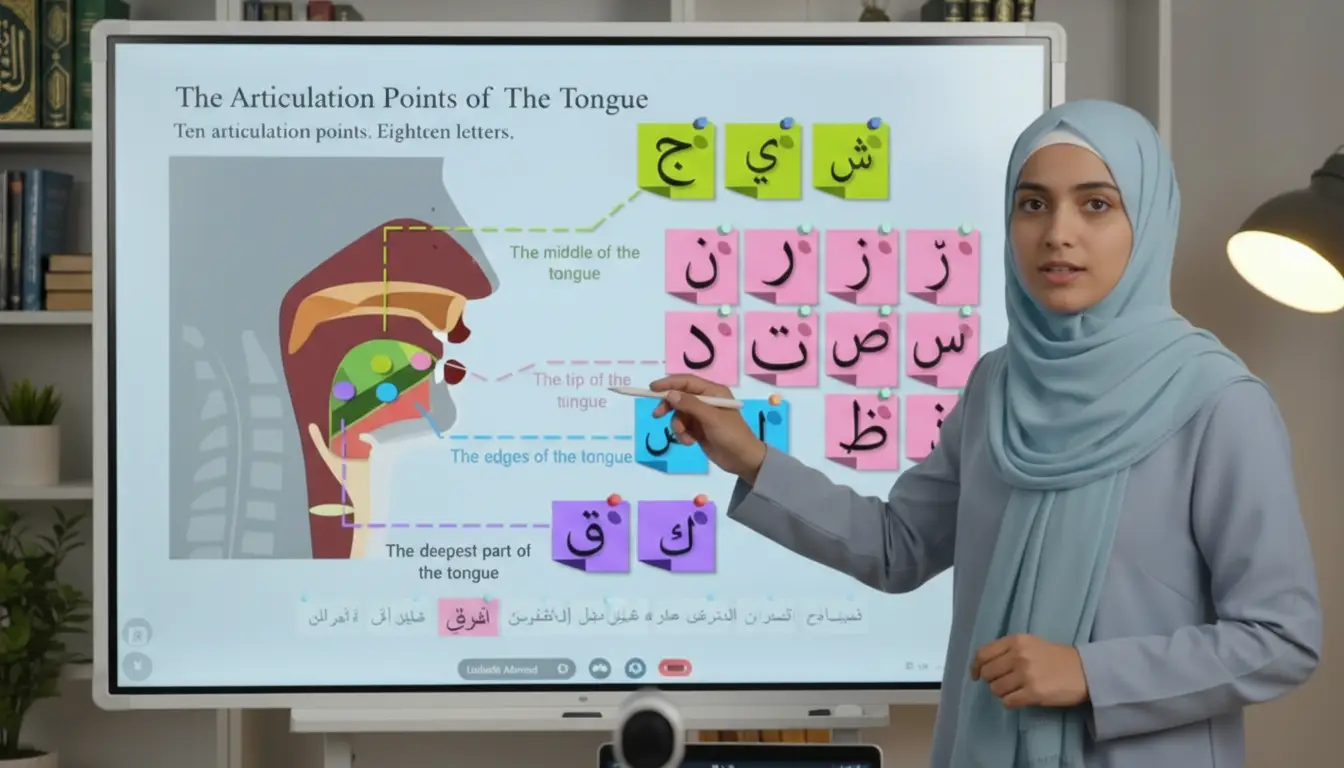
Female tutor teaching the articulation points of the tongue (Makharij) for Tajweed online in Canada

Learning the Articulation of Arabic Letters (Makharij)

Master correct Arabic pronunciation and letter articulation — the foundation of accurate Quran recitation.

Tutor teaching Quran memorisation (Hifz) online to two children reading the Quran on a laptop

Quran Memorisation (Hifz)

Join our online Hifz course and memorize the Quran step by step with guided daily revision from expert tutors.

Man reading the Quran at a desk with a laptop during an online Hadith studies course

Hadith Studies

Study authentic Hadith with proper context and interpretation, taught by qualified Islamic scholars online.

Two children praying with the Quran on a rehal during an online Quran class in Canada

Dua and Supplications

Learn essential daily Duas from the Quran and Sunnah, with meaning and correct pronunciation.
Open Quran with Arabic text in a gold frame for the Quran translation course online in Canada

Quran Translation

Word by word, verse by verse, you learn what the Arabic says — so you can understand the Quran as you read it, instead of only reciting it.
Arabic calligraphy in a gold frame

Aqaid

Aqaid is what a Muslim believes — about Allah, the Prophets, the Angels, the revealed books, the Day of Judgement and Qadr.
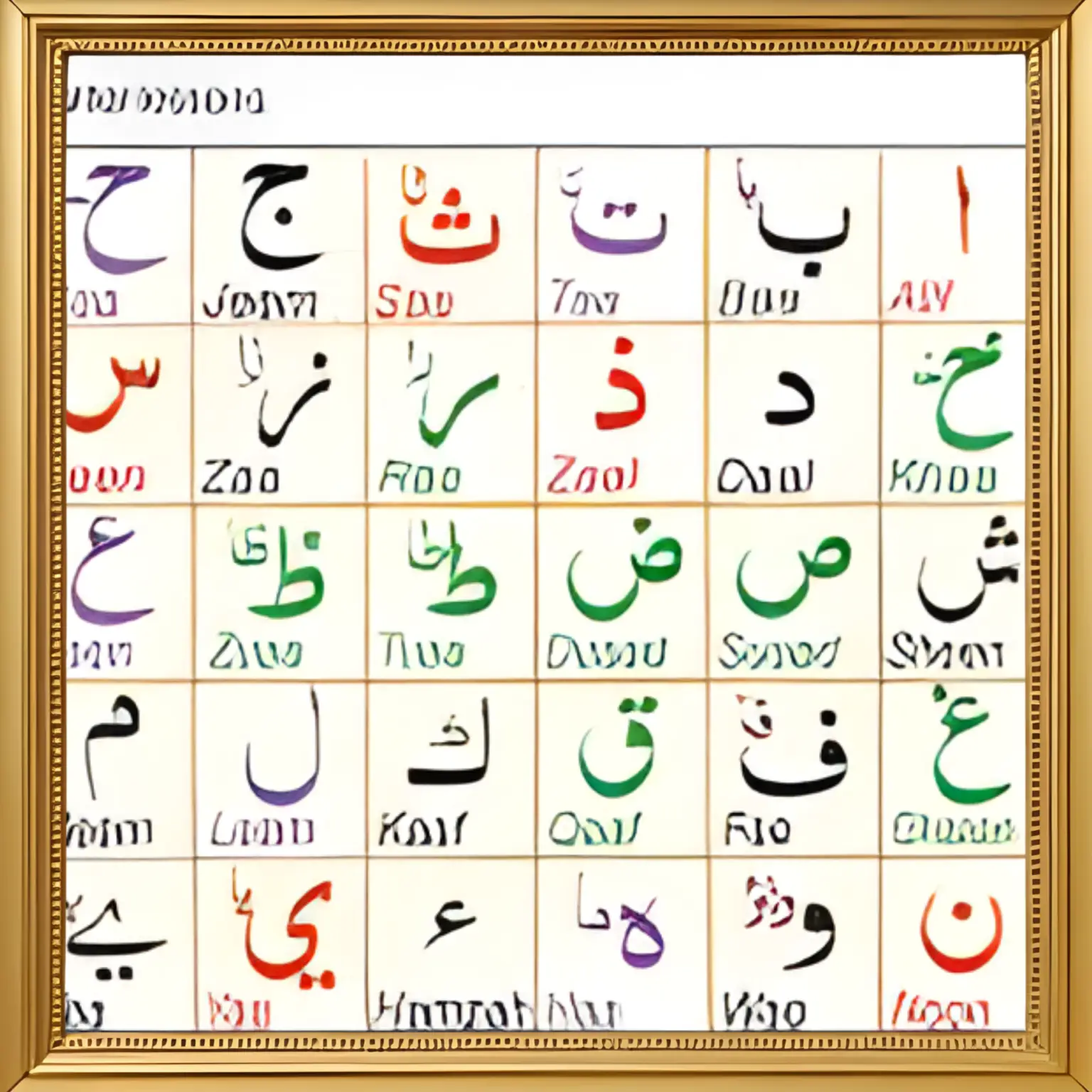
Noorani Qaida chart of Arabic alphabet letters in a gold frame

Basic Arabic

This course teaches you the Arabic you actually need to read the Quran — letters, words, joining, harakat and reading with meaning.
Man in a white cap reading the Quran in a gold frame

Fiqh

Fiqh is the part of Islam that explains how to worship correctly — wudu, salah, fasting, zakat, Hajj and everyday rulings.
Tafseer books in a gold frame for the Tafseer course online in Canada

Tafseer

Tafseer is the explanation of the Quran — what each verse means, why it was revealed, and how it applies to your life.
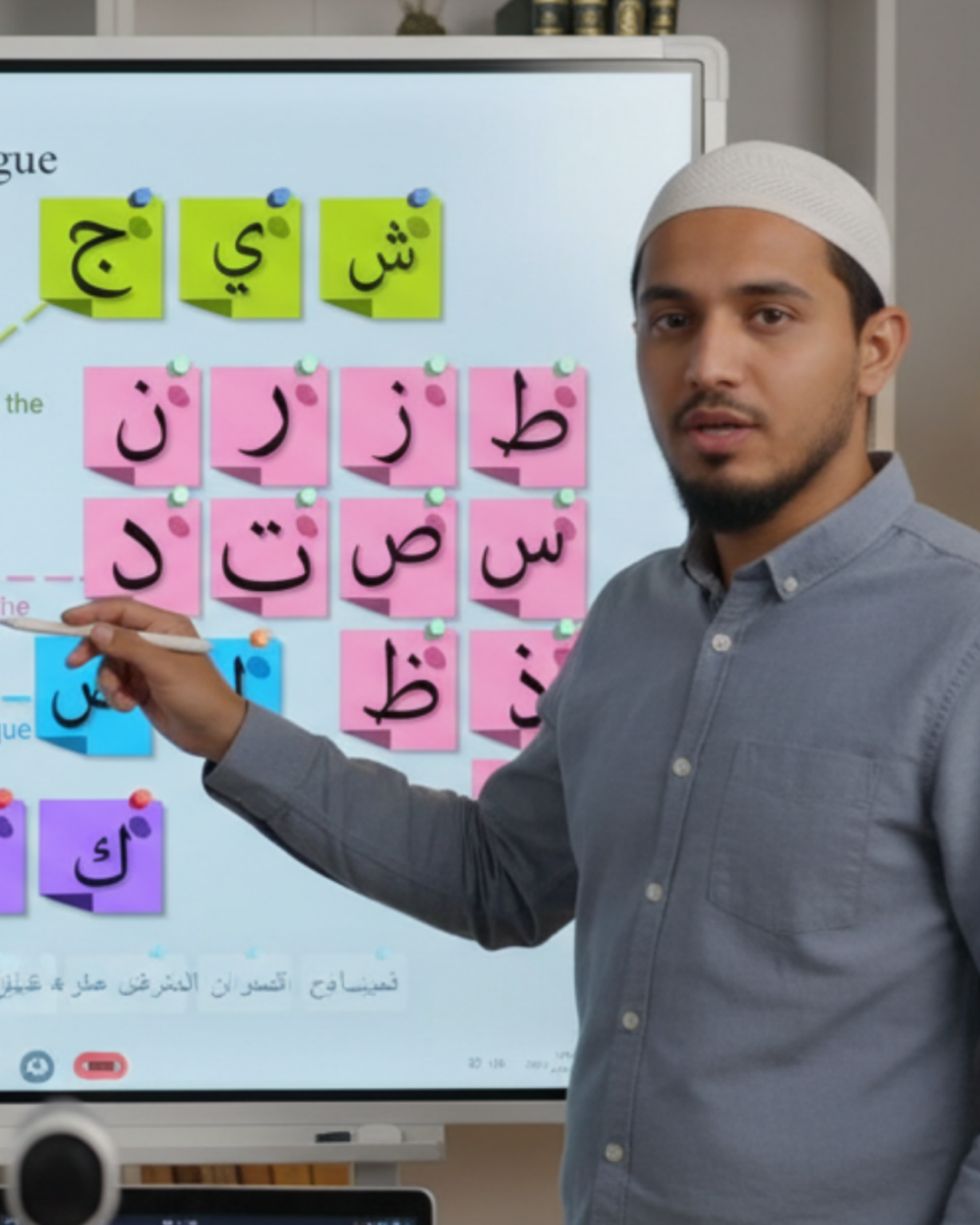
Tutor teaching Tajweed articulation with Arabic letter cards during an online Quran class

Urdu

Urdu is the language of many Muslim families in Pakistan, India and around the world — and the language in which many people first heard the Quran explained.

Noorani Qaida chart of Arabic alphabet letters in a gold frame

Noorani Qaida

Noorani Qaida is the essential first step for anyone starting their Quran learning journey.

Scroll to Top